
Capital, fleets and demand are all shifting at once. Over the next ten years, the centre of gravity in business aviation moves decisively toward the corridors linking the Gulf, South Asia and Southeast Asia to the established markets of Europe and North America.
Where capital is moving
Family offices and sovereign-adjacent funds that once treated aircraft as a lifestyle asset now underwrite them as yield-generating infrastructure. We're seeing larger tickets committed to fractional and leasing structures, and a growing appetite for co-investment alongside operators who bring route data and utilization history rather than just a hull to finance.
The winners of the next decade will be the platforms that treat aircraft financing, fleet strategy and market entry as one connected decision — not three separate ones.
Fleet demand across regions
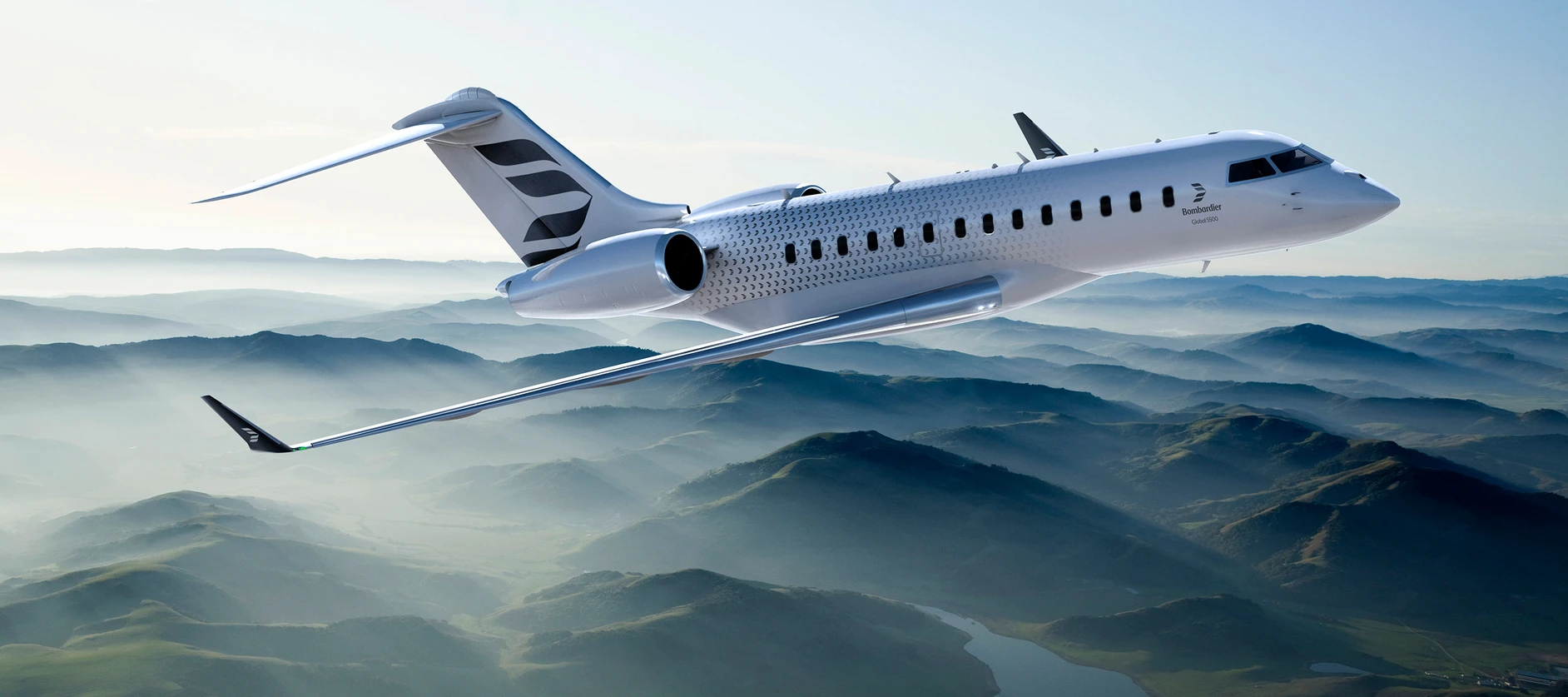
Midsize and super-midsize cabins remain the workhorses of cross-border demand, but long-range types are gaining share as operators chase the India–Europe and Gulf–Southeast Asia legs directly rather than routing through hub transfers. Expect fleet planning to favour range and cabin flexibility over raw acquisition cost.
What it means for operators and investors
Operators positioning for growth should treat regulatory market-entry work, financing structure and fleet composition as a single sequenced plan rather than parallel workstreams — the sequencing is often what determines whether a market entry succeeds on schedule.